A Senior's Guide to Hiking with a Weighted Vest: Building Strength, Bone Density, and Endurance on the Trail
This page is about using a weighted vest to make your hikes do more for you. Think stronger bones, better balance, and more stamina... all by adding a little extra weight to your walk. We'll cover if it's right for you, how to pick a vest, and how to start safely.
So, What's This Weighted Vest Thing?
Hiking is great. But what if you could make it even better for your body? A weighted vest can help you build strength, bone density, and endurance, one that could significantly enhance your strength, fortify your bones, and boost your endurance without demanding a radical change to your routine. 1
A weighted vest is just what it sounds like, a vest with pockets for small, removable weights. 2 The idea isn’t to turn your hike into a suffer-fest. It’s about applying a gentle, consistent challenge, or "loading," to your body. 3
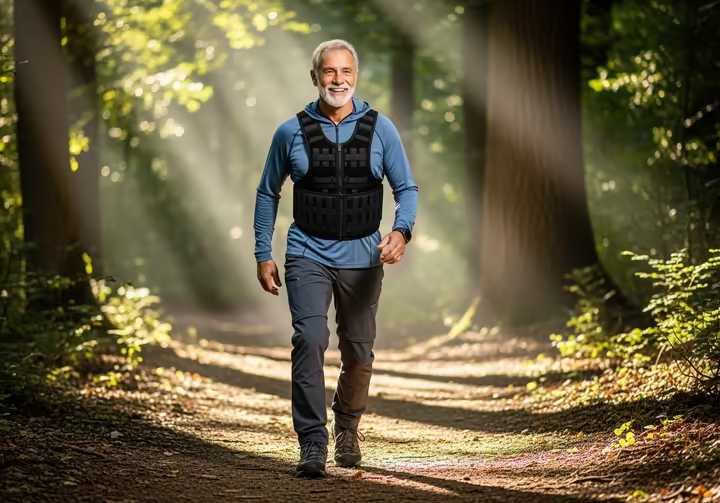
This gentle challenge tells your body to get stronger and tougher. This guide will walk you through it, focusing on safety and taking it one step at a time.
Why Bother? The Payoffs
Adding a weighted vest makes your walk work harder for you. The extra resistance kicks off a bunch of good things in your body, from your bones to the powerful muscles that carry you up the trail.
Stronger muscles improve your balance, which makes you more confident and safer on your feet. It all works together.
Tougher Bones
This is a big one for older adults. Your bones are living tissues that respond to the forces they encounter. 5 According to Wolff's Law, bone adapts to the loads placed upon it. 6
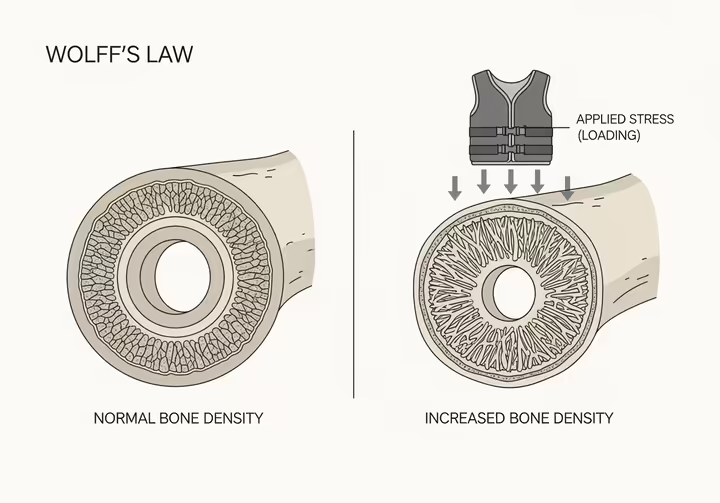
When you add weight with a vest, you increase the stress on your skeleton, particularly on the spine and hips, areas highly susceptible to osteoporosis. 8 This process, known as osteogenic loading, signals your bone-building cells (osteoblasts) to build new, dense bone tissue. 3
While it's not a magic cure for osteoporosis, it's a solid part of a plan to slow bone loss and support a stronger skeleton. 10, 13
Everyday Muscle Power
The extra weight works the big muscles in your lower body and core, including your legs, hips, and back. 8 We're not talking bodybuilder muscles, but "functional strength", the kind you use every day. 15
Think, carrying groceries with ease, climbing stairs without getting winded, or playing with the grandkids without a wobble. That's the real prize. 15
Studies show this kind of training helps older adults stay safer and more stable on their feet, reducing the risk of falls. 16
A Healthier Heart (and a Faster Metabolism)
Carrying extra weight makes your body work harder, which is great for your heart. Your heart rate goes up and stays in a good training zone longer, improving your overall cardiovascular endurance and stamina. 14
It’s like turning up the intensity on your hike without having to go faster or find a bigger hill. Over time, all physical activities will feel a bit easier. 14
Plus, you burn more calories... maybe 10-15% more. Every step does a little more for you. 8
Better Posture and a Stronger Core
We all slouch. A properly worn weighted vest can actually help fix that. To balance the weight, your body naturally straightens up. 19
You’ll find yourself lifting your chest and pulling your shoulders back. 21 This simple act trains your deep core muscles, the ones in your abdomen and back that support your spine. 14
A stronger core means better balance and can even help with that nagging low-back pain that often comes from poor posture. 19
Is a Weighted Vest for You?
Okay, weighted vests are cool, but they aren't for everyone. You need to be honest about your current fitness and health. This is about being smart and safe, the goal is to get healthier, not get hurt.
First Things First: Talk to Your Doctor
Do not skip this step. Before you buy anything, talk to your doctor or physical therapist, this is a non-negotiable prerequisite. 22
If you have severe osteoporosis, a history of spinal fractures, bad joint pain (especially in the back, hips, or knees), arthritis, balance disorders, or any heart conditions, you need a professional opinion. 4, 25 A vest might not be safe for you.
Think of it as teaming up with your doc to make the best and safest plan for you.
Who's a Good Candidate?
This is a great option if you're already pretty active. You walk or hike regularly and feel good doing it. 22 You have decent balance, no major joint pain, and, most importantly, your doctor gave you the green light.
For you, a vest is just the next logical step to boost a routine you already know and enjoy.
Who Should Hold Off?
It's also smart to know when a vest isn't the right move, at least for now. If you have bad joint pain, particularly in your knees or back, adding weight could make it worse. 4
Same goes if you have major balance issues, poor core strength, or a very rounded upper back (kyphosis), it could increase your fall risk. 4 It’s not a failure, just a sign to work on other things first.
Your best path might be working with a physical therapist on balance or core exercises. You can always come back to the idea of a vest later.
Choosing Your Gear: The Vest
Got the okay from your doc? Great. Now it's time to pick a vest. A good vest should feel like part of your body, not a sack of potatoes.
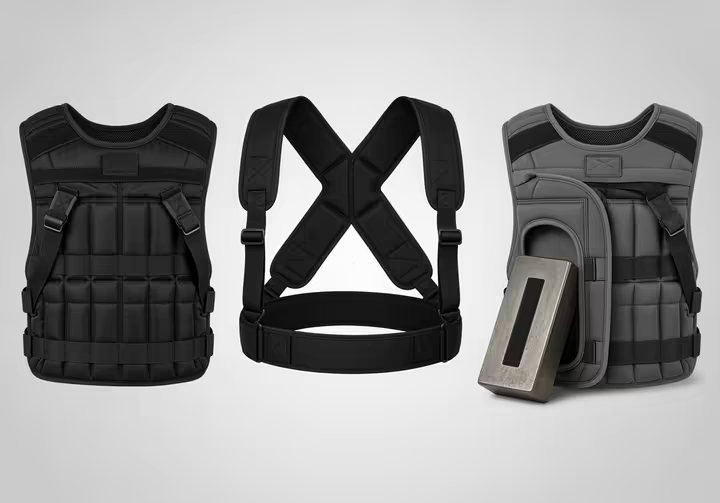
A bad one will be clunky and annoying. Fit is everything.
Fit and Style are Key
Your vest should be snug, but not so tight you can't breathe or move. 24 A loose vest will bounce around, which is annoying and can throw off your balance or cause chafing. 14
Look for vests with multiple adjustable straps, usually at the shoulders and waist, to get the fit just right. 22 Some vests have an "X-shape" or "harness" design that many women find more comfortable. 29
Breathable fabrics like neoprene are also a plus to help manage heat and sweat on the trail. 14
How Much Weight to Start With?
This is super important for safety. The rule of thumb is to start with a total weight of 5% to 10% of your body weight... and start on the low end. 24
For a 160-pound person, that’s 8 to 16 pounds, so start with 8. Or even better...
Do your first couple hikes with an empty vest. 22 Seriously. This lets your body get used to just wearing it before you add any weight.
Get an Adjustable Vest
Some vests have a fixed weight, others are adjustable. Get an adjustable one, it's a much safer choice for seniors. These vests have small pockets for removable weight blocks, like little sandbags or iron bars. 14
This is the key to progressing safely. An adjustable vest lets you add weight super gradually, as little as a half-pound or one pound at a time. 24
This feature is essential for a safe training plan, allowing your body to adapt without getting overloaded.
Getting Started: Your First Hike
Okay, let's do this. Starting with a vest is about teaching your body how to move with a new load. Be patient.
Start slow, in a familiar place. This builds confidence and keeps you safe.
Your First Outing (With an Empty Vest)
Pick a short, familiar, and mostly flat trail. Keep it simple so you can focus on how you feel in the new gear.
For your first one or two hikes, wear the vest completely empty. 22 The goal is just to get used to the feel of it on your body.
Your First Weighted Hike
Ready for some weight? After a few empty-vest hikes, add your starting weight, no more than 5% of your body weight. 24
Plan for a shorter-than-usual hike. The goal isn't distance or speed, it's about paying attention to your body and your form. 30
Check Your Form
As you walk, think about your posture. Walk tall, chest up, shoulders back and down, head neutral. 21
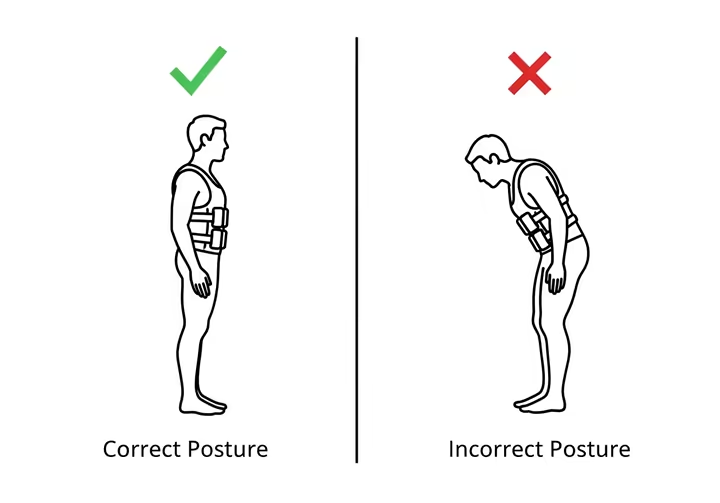
Gently pull your belly button toward your spine to engage your core, this supports your lower back. Your walk should feel as natural as possible.
Try not to lean forward to compensate for the weight, that can strain your back and hips. 32 A light, well-fitted vest should make it easy to keep good posture.
Listen to Your Body
This is the most important skill. Learn the difference between 'good' tired muscles and 'bad' pain.
A gentle ache in your legs the next day is normal. But sharp, specific pain, especially in a joint like the knee, hip, or in your lower back, is a stop sign. 33
If you feel dizzy, very out of breath, or off-balance, stop and rest. It’s not failure, it's feedback telling you to dial it back next time.
How to Progress Safely
Slow and steady wins the race here. Follow the "one variable" rule, only increase weight, duration, OR difficulty (like adding hills) at a time. Never all three at once.
After a few comfy hikes at your starting weight, maybe add just one or two pounds to the vest. 24 Stick with that new weight for several more hikes, making sure it feels manageable before you think about changing anything else.
Staying Safe: The Golden Rules
A vest makes everything more intense. That means small mistakes can have bigger consequences than on a normal hike. Safety first, always.
Common Mistakes
Most problems come from a few common, preventable mistakes. The biggest one? Starting with too much weight. 34 This causes a domino effect.
A heavy vest is more likely to fit poorly and bounce, which can disrupt your balance and cause chafing. 28 To compensate, you might mess up your posture and gait, maybe by leaning too far forward or taking weird steps. 12
This poor form puts undue stress on your lower back, hips, and knees, which can lead to pain or an injury. 33 Just start light with a snug vest, and you'll avoid all this.
Warm Up, Cool Down
You're asking more from your body, so give it more support. This starts with a proper warm-up before you start your hike. 37
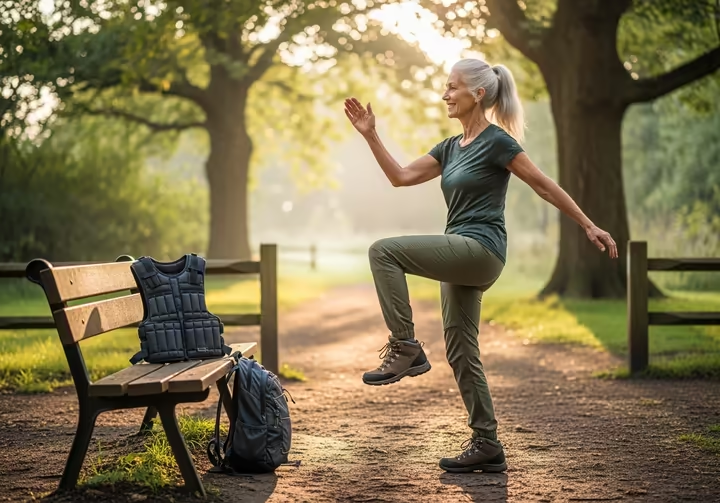
Do 5-10 minutes of gentle movements like leg swings, arm circles, torso twists, and walking in place. This gets blood flowing to your muscles.
After your hike, a cool-down with static stretches is just as important. Gently stretch your quads, hamstrings, calves, hips, and chest, holding each stretch for 20-30 seconds without bouncing. 39
Water and Trail Smarts
You'll sweat more with a vest on, so you need more water than on a standard hike. 14 Carry extra and drink it often, even if you don't feel thirsty.
And remember the basics of trail safety. Check the weather, tell someone your route and expected return time, and carry essentials like a map, first-aid kit, and a charged phone.
Common Questions (Answered)
Got questions? Good. Let's clear up some common concerns so you can get started with confidence.
How often should I hike with a weighted vest?
Think of this as strength training. Your body needs rest days to repair and get stronger, so it is best to avoid hiking with the vest on consecutive days.
A good schedule is one to three times per week, with at least one full rest day in between each weighted session. 22 On your "off" days, you can still enjoy a regular walk or hike without the vest.
Will this hurt my back or knees?
This is a big one. Here's the deal, done improperly, with too much weight, poor posture, or a badly fitting vest, a weighted vest can absolutely place harmful stress on your joints. 33
But when done correctly, it has the opposite effect. By starting with a very light weight and maintaining an upright posture, you strengthen the very muscles that support and protect these vulnerable joints. 8
A stronger core helps stabilize the spine, and stronger leg muscles absorb impact more effectively. The method is what makes it helpful or harmful.
Can I just use a backpack with weights instead of a vest?
You could use a weighted backpack, but a well-designed weighted vest is a better and safer tool for this purpose. 2 A vest spreads the weight evenly across your torso, close to your body's natural center of gravity, which minimizes the impact on your walking gait and posture. 2
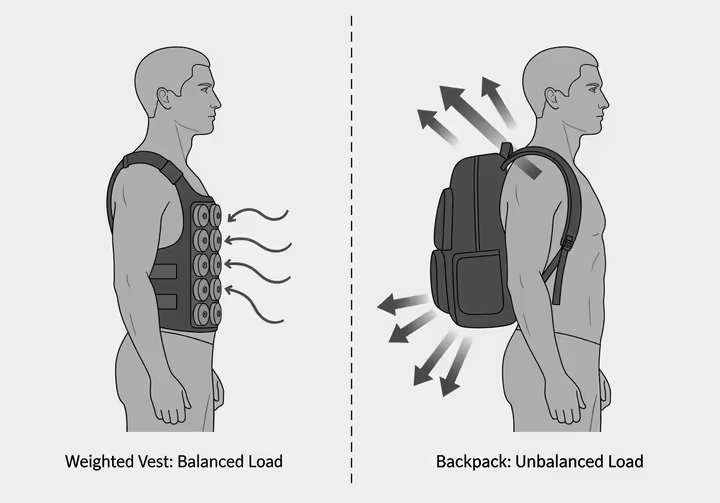
A backpack concentrates the entire load on your back and shoulders. This can make you lean forward, a posture that can lead to strain in the lower back, hips, and neck over time. 32
A backpack is better for carrying heavier loads or other gear, but for adding pure, balanced resistance to a walk, a vest is the more ergonomic choice. 43
| Feature | Weighted Vest | Weighted Backpack (Ruck) |
|---|---|---|
| Weight Distribution | Spreads weight evenly, front and back. 2 | Puts all the weight on your back. 32 |
| Postural Impact | Helps you stand up straight. 19 | Can make you slouch or strain your neck. 32 |
| Stability & Gait | Doesn't mess with your stride. 32 | Can throw off your balance and gait. 32 |
| Primary Use Case | Best for adding a little extra weight. 43 | Better for heavy loads (>15% body weight) and gear. 43 |
| Joint Stress | Easier on your shoulders. 2 | Can strain shoulders unless you have a good hip belt. 44 |
What if I feel off-balance?
If you feel wobbly, that's a red flag. Stop your hike immediately. If you still feel unstable even while standing still, carefully remove the vest and finish your hike without it.
Don't try to "push through it" and risk a fall. This is just feedback. It probably means you need to work on your basic balance at home before trying the vest again.
When you feel more stable, reintroduce the vest, starting once again with it completely empty to let your body recalibrate.
A Stronger Step Forward
Trying a weighted vest is a great way to take control of your health. When done carefully, it helps you build stronger muscles, stimulate your bones to maintain their density, and enhance the health of your heart with every step. 4
The most important thing is to start slow and be patient. Your body is amazing and can get stronger at any age, but you have to listen to its feedback and give it time.
Start light, focus on your form, and enjoy the journey. Take pride in every stronger, more resilient step you take.
Works cited
- PEAK PERFORMANCE AGING: Weight Vest Workouts and Staying Rad - Hyperwear, https://hyperwear.com/blogs/blog/peak-performance-aging-weight-vest-workouts-and-longevity
- Weighted Vests vs. Rucking: Boost Your Walk with Added Weight, https://drnathaliebeauchamp.com/weighted-vests-vs-rucking/
- BONESENSE on.... - OSTEOGENIC LOADING - Bone Health ..., https://www.bonehealthandosteoporosis.org/wp-content/uploads/Handout_OSTEOGENICLOADING.pdf
- Are Weighted Vests Good for Osteoporosis? | AlgaeCal, https://blog.algaecal.com/are-weighted-vests-good-for-osteoporosis/
- Wolff's Law - Physiopedia, https://www.physio-pedia.com/Wolff%27s_Law
- Blog | Screen My Bones | UK, https://www.screenmybones.com/latest-news
- Wolff's law - Wikipedia, https://en.wikipedia.org/wiki/Wolff%27s_law
- Benefits of Walking with Weighted Vest - Kettlebell Kings, https://www.kettlebellkings.com/blogs/default-blog/benefits-of-walking-with-weighted-vest
- Weighted Vest - The Chat Board - The Well-Trained Mind Community, https://forums.welltrainedmind.com/topic/741401-weighted-vest/
- Weighted Vest Use or Resistance Exercise to Offset Weight Loss–Associated Bone Loss in Older Adults: A Randomized Clinical Trial - PMC, https://pmc.ncbi.nlm.nih.gov/articles/PMC12181796/
- Trial shows limited bone protection from weighted vests or resistance training in older adults, https://www.news-medical.net/news/20250620/Trial-shows-limited-bone-protection-from-weighted-vests-or-resistance-training-in-older-adults.aspx
- Why is everyone wearing weighted vests? I tried one for two weeks ..., https://www.theguardian.com/wellness/2025/aug/04/weighted-vests-fitness-trend
- Weighted Vests for Osteoporosis.. Do they really help with Bone Health? [Doctor Explains], https://www.youtube.com/watch?v=22YX8DCOFdw&pp=0gcJCfwAo7VqN5tD
- Hiking With A Weighted Vest: Does It Actually Work? - Discover Walking, https://discoverwalking.com/hiking-with-a-weighted-vest-does-it-actually-work
- How Weighted Vest Training Enhances Longevity » Hyperwear, https://hyperwear.com/blogs/blog/the-benefits-of-weighted-vest-training-for-longevity-muscle-mass-and-bone-density
- Weighted vest exercise improves indices of fall risk in older women, https://pubmed.ncbi.nlm.nih.gov/9467434/
- Unleashing the Power of Weighted Vests for ... - Kettlebell Kings, https://www.kettlebellkings.com/blogs/default-blog/unleashing-the-power-of-weighted-vests-for-cardiovascular-fitness
- Pros and Cons of Wearing a Weighted Vest During Walks - Longevity Care Clinic, https://longevitycareclinic.com/pros-and-cons-of-wearing-a-weighted-vest-during-walks/
- Weighted Vests for Posture | Strengthen Your Core | Aion, https://www.aiongear.com/collections/aion-weighted-vests-for-posture-and-core-strength
- A Guide to Using Weighted Vests for Posture Improvement - Kettlebell Kings, https://www.kettlebellkings.com/blogs/default-blog/weighted-vests-for-posture-improvement
- I Walked With a 16-lb Weighted Vest for 2 Weeks & Experienced 3 Transformative Benefits, https://www.eatthis.com/weighted-vest-two-week-review/
- Fitness Trend: Are Weighted Vests Right for You? - AARP, https://www.aarp.org/family-relationships/weighted-vests/
- Weighted Vests for Bone Health: What the Research Says, https://www.osteoboost.com/blog/the-science-of-weighted-vests-for-low-bone-density
- Weighted Vests for Bone and Muscle Strength | The 'Pause Blog ..., https://thepauselife.com/blogs/the-pause-blog/weighted-vests-for-bone-and-muscle-strength
- What type of weight vest do you use? | Mayo Clinic Connect, https://connect.mayoclinic.org/discussion/what-type-of-weight-vest-do-you-use/
- BalanceWear®: A Customized Strategically Weighted Vest for Balance Problems - BalanceWear™, https://www.motiontherapeutics.com/
- Anyone have experience using a weighted vest while hiking? - Reddit, https://www.reddit.com/r/hiking/comments/11fsrwr/anyone_have_experience_using_a_weighted_vest/
- Weighted Vests: Benefits, Considerations, and Exercises to Try - Healthline, https://www.healthline.com/health/fitness/weighted-vest-benefits
- Best Weighted Vests 2025 - Forbes Vetted, https://www.forbes.com/sites/forbes-personal-shopper/article/best-weighted-vest/
- livejoju.com, https://livejoju.com/blogs/news/the-ultimate-guide-to-weighted-vests#:~:text=%22The%20best%20way%20to%20start,increase%20both%2C%22%20explains%20Cleven.
- Weighted Vest Walking - EASY Way to Improve Posture - YouTube, https://www.youtube.com/watch?v=zgkJ_dx_e0c
- Backpack vs Vest for Rucking - The Over 40s Version, https://ruck-x.com/backpack-vs-vest-for-rucking-the-over-40s-version/
- The Hidden Dangers of Wearing a Weighted Vest: What You Need ..., https://www.andersonnaturalmedicine.net/blog.asp?blogid=63
- 10 COMMON MISTAKES TO AVOID WHEN USING A WEIGHTED ..., https://zelusfitness.com/blogs/strength-training/10-common-mistakes-to-avoid-when-using-a-weighted-vest
- Can I wear a weight vest all day while I'm just moving around my house? : r/Fitness - Reddit, https://www.reddit.com/r/Fitness/comments/9csrs6/can_i_wear_a_weight_vest_all_day_while_im_just/
- Do weighted vests have any health implications such as being bad for your back or your knees? : r/Fitness - Reddit, https://www.reddit.com/r/Fitness/comments/kjtpt/do_weighted_vests_have_any_health_implications/
- Weighted Vest Workouts – Pros & Cons - American Sports & Fitness Association, https://www.americansportandfitness.com/blogs/fitness-blog/weighted-vest-workouts-pros-cons
- The Ultimate Weighted Vest Workout, According to a Trainer - Men's Fitness, https://www.mensfitness.com/training/weight-vest-workout
- 8 Stretches for After Your Next Hike — Washington Trails Association, https://www.wta.org/go-outside/trail-smarts/how-to/how-to-stretch-for-hiking
- Top 3 Cool Down Tips After a Long Hike - YouTube, https://www.youtube.com/watch?v=laBZm7HUgcs&pp=0gcJCfwAo7VqN5tD
- The Best Stretches For Hikers: How To Stretch Before And After Your Hike - Summit Strength, https://www.summitstrength.com.au/blog/the-best-stretches-for-hikers-how-to-stretch-before-and-after-your-hike
- How Long Should You Wear a Weighted Vest? - Bells of Steel USA, https://bellsofsteel.us/blogs/content/how-long-should-you-wear-a-weighted-vest
- Is it better to ruck with a rucking backpack or weighted vest ..., https://hyperwear.com/blogs/blog/rucking-backpack-weighted-vest-comparison
- Weight vest vs weight in pack | Rokslide Forum, https://rokslide.com/forums/threads/weight-vest-vs-weight-in-pack.135981/